

“God, if you spare my son, I will help other mothers who are in my situation.”
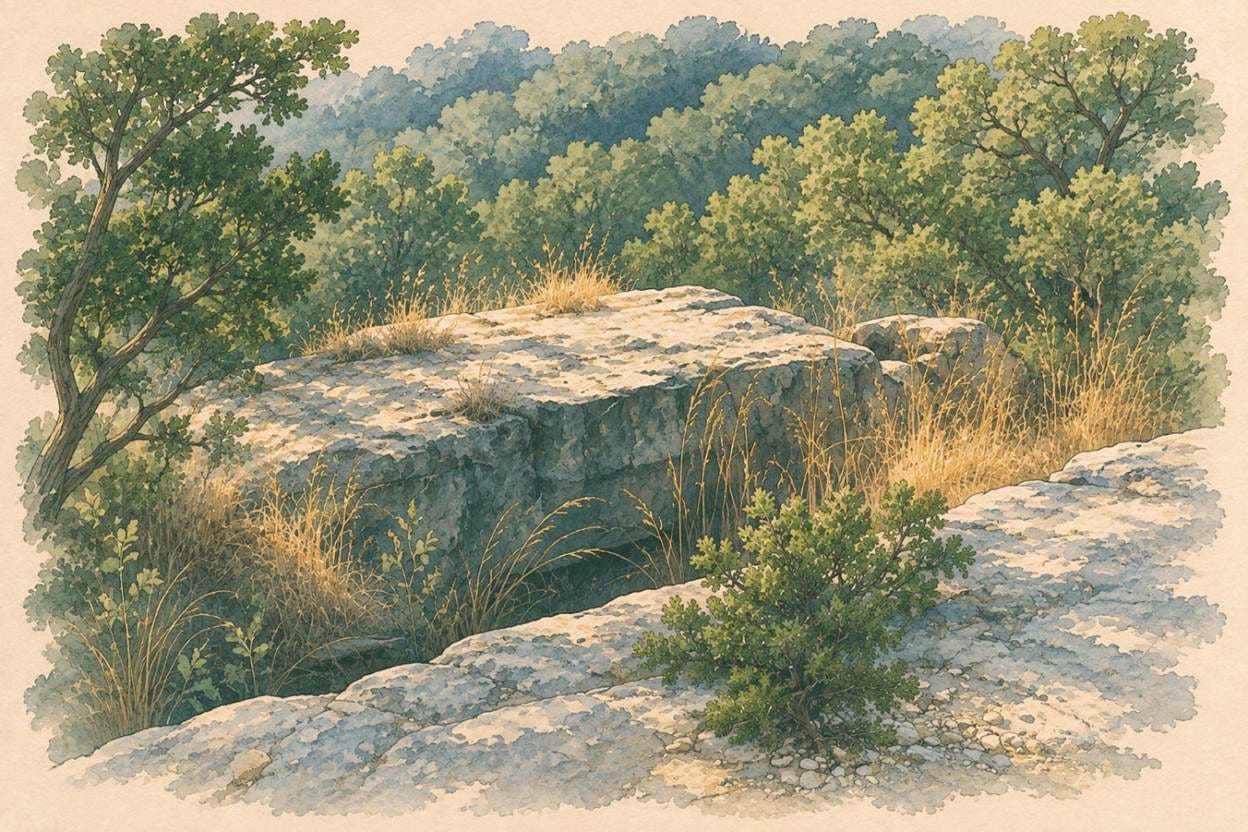
I said the words aloud while sitting alone on a limestone ledge overlooking a canyon near Lake Austin.
It was Mother’s Day 2018, and I didn’t know where Michael was. We were supposed to be on our way to rehab, but he wasn’t answering his phone.
This was my first Mother’s Day without my mom. She had died the previous July, on her eighty-third birthday. My mother had always been the person I called when I needed someone to listen or offer words of comfort. I missed her terribly.
I didn’t really believe in God, but I prayed anyway.
Michael was twenty-five and addicted to heroin. He was on probation and had failed another drug screen. A judge had given him an ultimatum: go to rehab or go to jail.
The previous summer, Michael had spent ninety days at The Last Resort, a residential rehab program in Smithville, about an hour east of Austin. He then spent the next four months in a sober living home in Kerrville.
Soon after returning to Austin, he had relapsed.
About a week before Mother’s Day, following the judge’s order, he had checked himself back into The Last Resort. James, my husband, and I were relieved to learn he was back in treatment. But two days later, the director called us.
Michael had walked out.
I was afraid he would be arrested or die before we could get him back into treatment.
James was fed up. I couldn’t blame him; part of me felt that way too. Over the years, we had each reached the point of wanting to give up, but somehow never at the same time.
After Michael walked out of rehab, I tracked down the young woman he was seeing. We didn’t know each other, but she agreed to help me find him.
I also asked my middle son to come with us. It was finals week, and Ben, a student at Austin Community College, had an important exam the next day. He was living in a dorm near UT Austin, where he hoped to transfer that fall. He needed to study, but I hoped he might be able to get through to Michael if I couldn’t. I expected the intervention to take an hour or two. We’d get Michael back to rehab, and then Ben could get back to studying.
With help from another of Michael’s friends, we found him at an apartment in southeast Austin, but he wouldn’t come out. Eventually, Ben and the friend went inside and brought him out.
Michael could barely keep his balance. He had lost so much weight since Easter Sunday, the last time we’d been together. His black athletic shorts and filthy white T-shirt hung off him. He looked so small. I had never seen him in such bad shape.
He stood right beside me, hanging on the open car door to steady himself, angry and rambling about why he had left treatment. He wanted to go to Euphoria Fest, a music festival, saying he was going to become an event promoter.
“You can do all that, Michael, after rehab. You’ve got a bright future ahead, but you have to get well first,” I told him.
He was under the influence of something very strong. He would nod out briefly, then come to and start ranting again. When I reminded him of the judge’s order, he said he would rather “sit it out in jail.”
After what seemed like forever, Ben and the friend coaxed him into the back seat of my car. With more pleading, Michael agreed to go. He was sobering up slightly and wanted to eat. So we stopped for food, then got on I-35 and headed toward the treatment center. Ben sat in the front with me. Michael and the young woman were in the back.
Then Michael changed his mind. He wanted me to take him to a bar on Sixth Street in downtown Austin for a pre-party for Euphoria Fest.
I kept driving.
And then, as we were going sixty-five miles an hour in heavy traffic, Michael opened the car door and threatened to throw himself out if I didn’t get off at the next exit.
“Mom, I can’t take this anymore,” Ben yelled. “Take me back to my dorm. I have to study.”
I couldn’t take it anymore either.
I got off the highway, drove Michael where he wanted to go, and dropped him off. As he and the young woman walked toward the bar, I wondered whether I would ever see my son again.
By the time I took Ben back to his dorm, it was getting dark. He was unusually quiet and wouldn’t look at me as he got out of the car. I had accomplished nothing except for keeping him from studying all day.
When I got home, James told me the director of The Last Resort had called. After discussing Michael’s situation with his staff, he had decided not to let him come back.
I took the next day off work and sat in my home office making phone calls, looking for another program with an available bed that would take our insurance. Some had no openings. I found Cypress Lakes Lodge, about two hours northeast of Houston. Our out-of-pocket cost would be four thousand dollars more than at The Last Resort. That was a lot of money to me, but they had an opening.
Before they would hold the spot, though, they needed to speak with Michael.
He called two days later on the Friday before Mother’s Day. He had fallen out with the friend he had been living with and wanted me to take him to the apartment to retrieve his belongings. His friend wasn’t cooperating, so Michael had arranged for a peace officer to meet us there.
When I picked him up, his voice was hoarse, and his speech was slow. It was obvious to me that he was using, but at least he was freshly showered and wearing clean clothes. Another friend had given him a place to stay.
We reached the apartment at dusk and parked under a streetlight while we waited for the officer. I told Michael I had found another rehab with an opening.
“I’ll go, Mom, but it’s not going to help. I’m just a junkie. That’s all I’ll ever be.”
He was crying silently. Light from the streetlamp above the car washed over his face, and I could see a tear running down his cheek. For a moment, he looked four or five instead of twenty-five. My precious, beautiful boy. All I wanted to do was hold him in my arms, rock him, and sing to him the way I had when he was little.
“I’ll go on Sunday, Mom,” he said. “I promise.”
Sunday was Mother’s Day, and it was also the deadline the judge had given him to enter rehab. Getting him back into treatment would be the best gift I could receive. I gave him the phone number for Cypress Lakes, and he said he would call the next day.
The peace officer arrived and walked us to the apartment. We knocked and waited. Although we could hear noise inside, no one answered, and Michael eventually gave up. As I drove him back to the place where he was staying, I was grateful for a little more time with him.
He did make the intake call. After everything that had happened that week, I began to feel hopeful. We agreed to leave for Cypress Lakes by noon on Sunday so we could arrive by early evening.
But noon came and went on Sunday, and Michael wasn’t answering his phone.
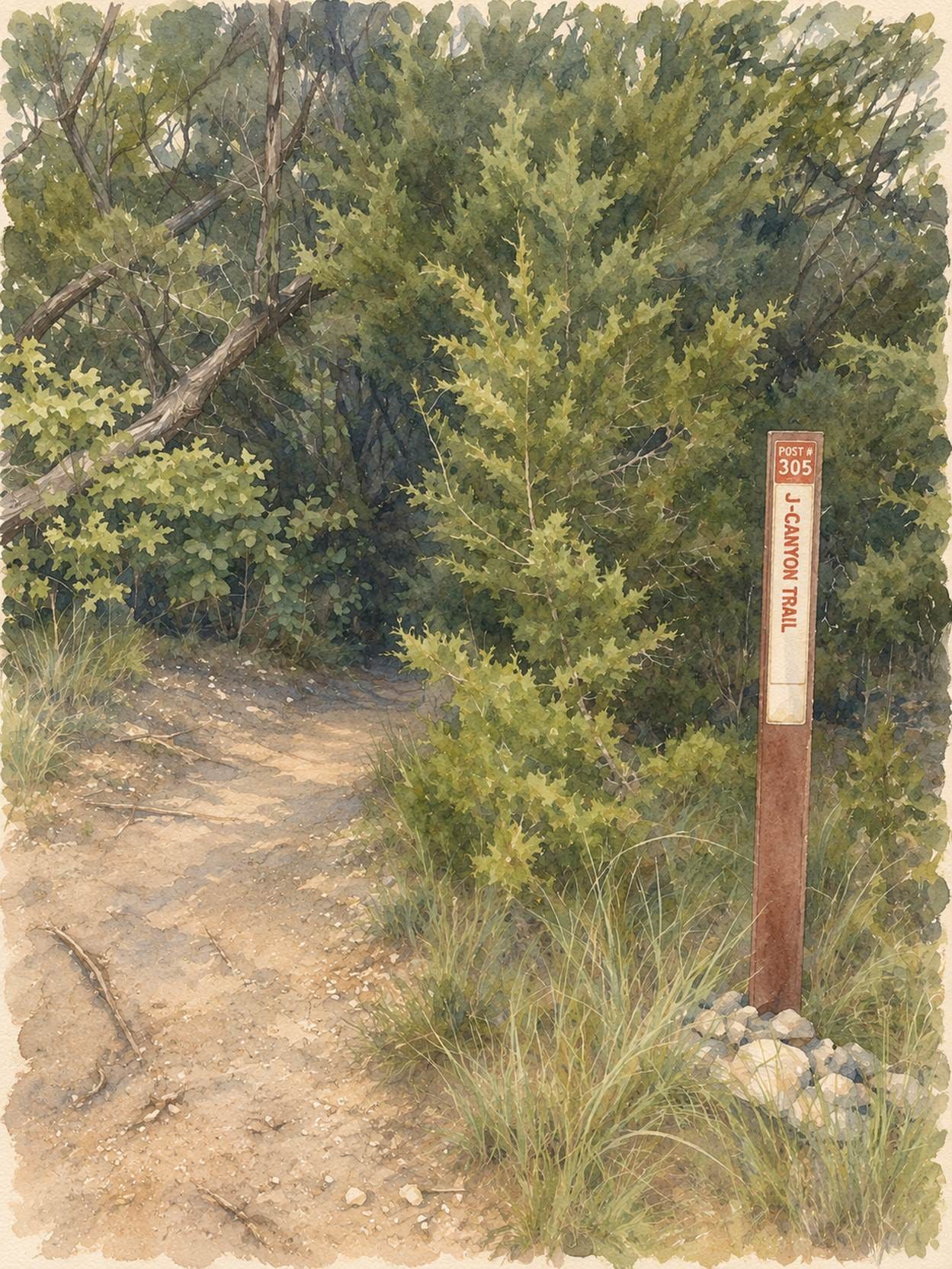
Midafternoon, I went out to the J-Canyon Trail, a rocky footpath near our home. I often went there when Michael disappeared. I called the limestone ledges along the trail my prayer rocks, where I would sit and pray, meditate, or cry. That day, I did all three.
My prayer was usually simple:
Guide me. Teach me. Show me. Help me know what to do.
Other times I recited Hoʻoponopono, a Hawaiian prayer of reconciliation:
I’m sorry. Please forgive me. Thank you. I love you.
I believed praying helped. I thought it somehow let me access my subconscious mind, organize my thoughts, and find a solution to whatever situation I was dealing with.
I had been praying for years without expecting anyone or anything to be listening.
So that afternoon, as I waited to hear from Michael, I prayed aloud, asking God to spare my son and promising to help other mothers if he did.
It seemed like a good promise to make on Mother’s Day. But as I thought about it, it began to feel like a selfish bargain. Shouldn’t I help other mothers no matter what happened to Michael?
The truth was that I didn’t feel strong enough to help myself, much less anyone else.
After a while, I walked home and waited.
Michael finally called late that afternoon. He was no longer at his friend’s place and wouldn’t tell me where he was. For the next couple of hours, I tried to get an address. When he finally told us he was at a high-rise apartment building near the Whole Foods headquarters in downtown Austin, James and I drove to get him. Then we waited outside the building almost another hour for him to come down.
James grew more agitated as we sat there, saying things like, “If he’s not out in five minutes, I’m leaving.”
I couldn’t take the tension in the car any longer, so I got out and walked around the block. If he was going to leave without our son, he’d have to leave me there too.
Michael appeared a little after seven, wearing sunglasses even though it was evening. When he took them off, his pupils were the size of pinheads. We started the nearly five-hour drive to Cypress Lakes.
After we stopped for fast food, James relaxed a little. As we headed east on I-10 toward Houston, we began taking turns choosing songs on Spotify. Some brought back good memories, and for a while, it felt like we were driving somewhere for a vacation.
One of the songs James chose was Johnny Cash’s “Hurt.”
We arrived at the facility just after midnight. Michael agreed to stay for thirty days. During intake, the staff searched him and his backpack. Once he was checked in, James and I turned around and drove through the night, arriving home a little after six on Monday morning, just in time to get ready for work.
I was utterly exhausted, but I knew where my son was.
Later that morning, Ben called crying. He had failed the exam he took the day after we tried to get Michael back into rehab. Not only had he failed the exam, but he had also failed the course, which meant he wouldn’t be accepted as a transfer student at UT that fall. I wanted to tell him he had done the right thing by helping his brother and that everything would work out. But I stayed silent.
In trying to help one son, I had hurt another.
The following semester, Ben applied to UT again, his third attempt, and this time he was accepted.
Getting Michael to Cypress Lakes did not end his addiction. There would be more treatment, more relapses, more overdoses, more legal troubles, and more days when I didn’t know whether he would survive. Eventually, there would be iboga in a ceremonial setting and ibogaine in a clinic, several more months in sober living, and the work of rebuilding his life. He fought hard for his recovery.
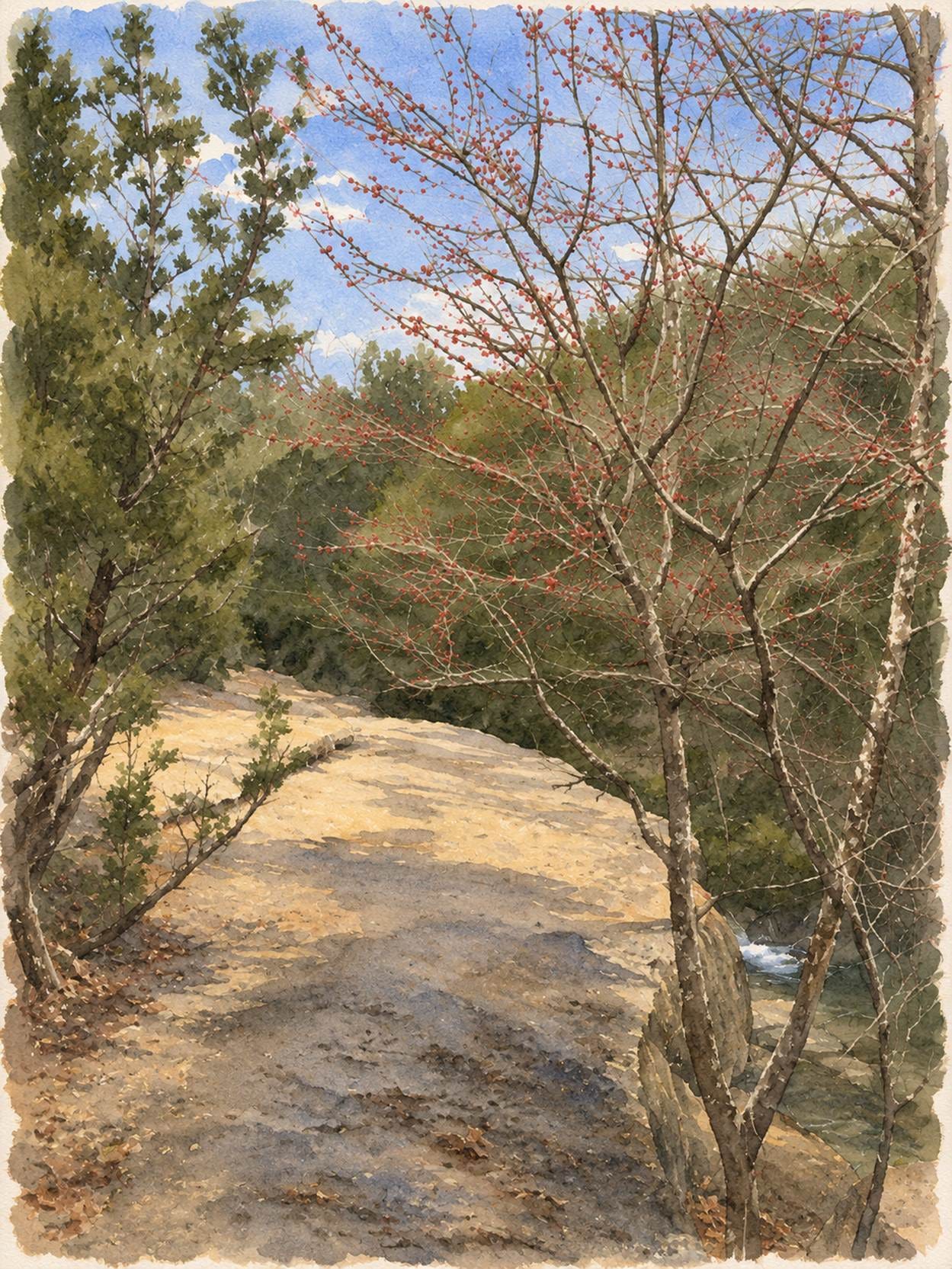
Two years after that Mother’s Day, I sat on the prayer rocks, crying and praying.
This time, I was thanking God for Michael’s recovery. He had been off hard drugs and living in Hawaii for nearly a year. He had found work as a carpenter and learned to surf.
As I prayed, I asked for strength and guidance, and for help finding a way to support other mothers whose children were still struggling.
In the months since Michael had moved to Hawaii, I had been writing about what our family had been through and was finishing a book about how the experience had changed me. The book remains unpublished, but I’m glad I wrote it.
I now believe God was with us that first Mother’s Day without my mom. I think she was with us, too.
Today, Michael is a father and owns a growing construction business. When I remember him crying in the car beside me, telling me all he would ever be was a junkie, I wish he could have seen the life ahead of him.
Sometimes I think about other mothers who are going through what I went through, trying to find help for their children and afraid of losing them. I think about their other children, too. They still need their mother, even when she’s having a hard time thinking about anything except keeping one of them alive.
I’m still working to keep the promise I made that Mother’s Day.
Thanks for sharing this story , the unpredictability and heartbreak of addiction. I’m so glad there is a happy ending.
It’s so painful to see children in pain and feel helpless. I’m so happy he was able to build a healthy life